
The allure of chance: Understanding risk perception
The psychology of decision-making in casinos is deeply intertwined with the allure of chance and risk perception. Many players are drawn to the excitement of games where luck plays a significant role, such as slots and roulette. This attraction can be attributed to the thrill of uncertainty. People often perceive risky situations as more exciting, leading to an adrenaline rush that can be addictive. It’s worth noting that online platforms, such as a college basketball sportsbook, can also enhance this thrill through their unique offerings. The unpredictability of gambling outcomes creates a compelling environment where players feel a momentary escape from reality.
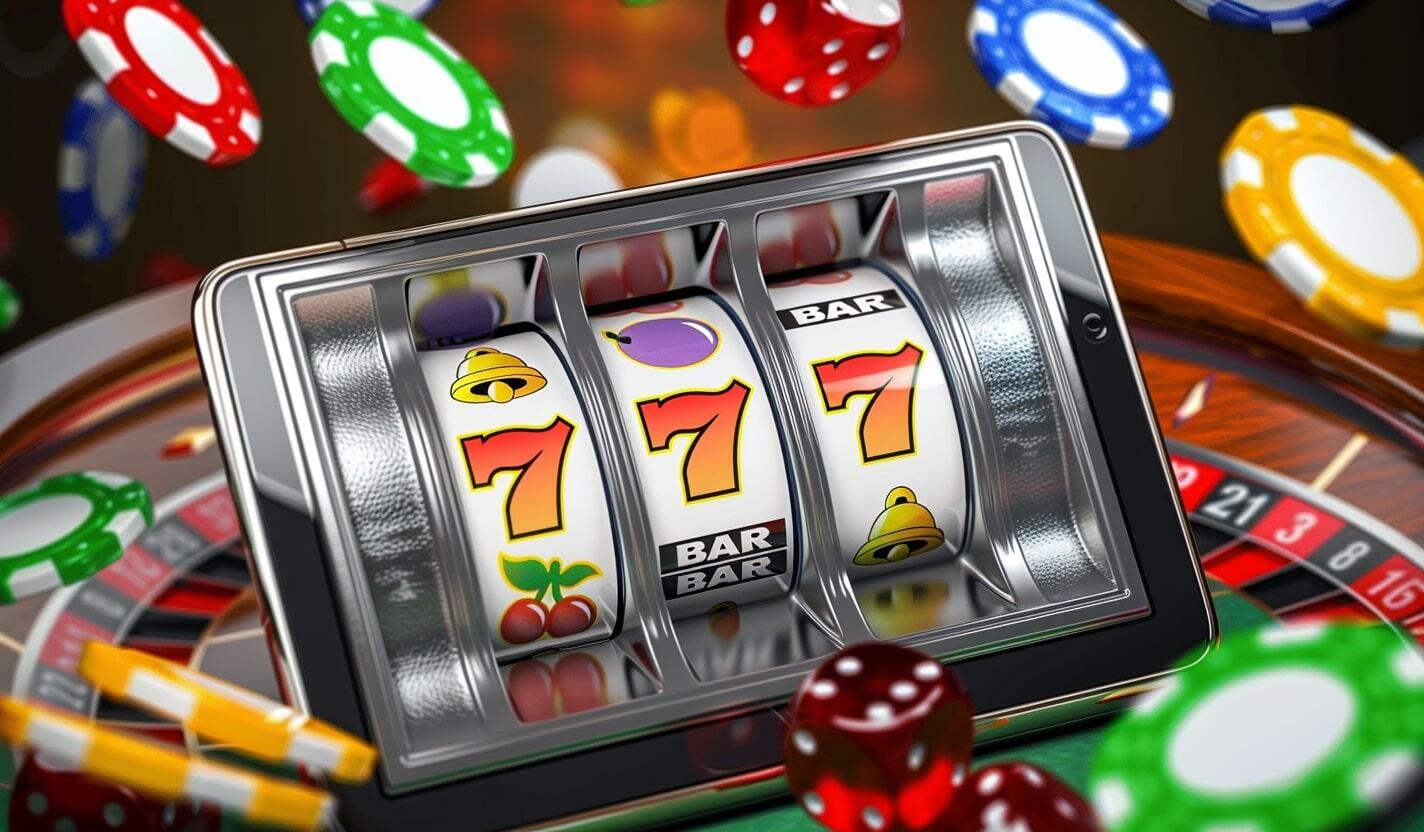
This relationship between risk perception and game choice is particularly evident among novice gamblers. They may be more inclined to choose games that promise high rewards, despite the inherent risks. The brain’s reward system may be activated, reinforcing the desire to chase potential gains. Consequently, understanding this psychological aspect can shed light on why certain games, such as progressive slots, garner attention over others that may statistically offer better odds.
The impact of social influences on game selection
Social influences also play a crucial role in shaping casino game choices. The presence of peers can significantly affect individual decisions, often leading players to engage in games they might not choose in isolation. For instance, group dynamics can foster an atmosphere of camaraderie, prompting players to select games that encourage interaction, such as poker or blackjack. The social component is vital, as it transforms gambling into a collective experience, heightening the enjoyment and excitement.
Moreover, observational learning is another critical factor. Players may imitate behaviors they see in experienced gamblers, believing that these individuals possess superior strategies. This mimicry can lead to a preference for specific games, as players hope to replicate the success they observe. Thus, the social context within casinos is pivotal in guiding game selection and influencing gambling behavior.
Cognitive biases and their influence on gambling choices
Cognitive biases significantly influence how individuals approach casino games. One common bias is the illusion of control, where players believe they can influence the outcome of games, particularly those based on chance. For instance, a player might think that a particular slot machine is “due” for a payout, leading to continued play despite the randomness involved. This distortion of reality can drive people to invest more time and money into games, hoping for a favorable outcome that their cognitive biases have misled them to expect.
Another prevalent cognitive bias is the gambler’s fallacy, where players assume that past outcomes will affect future results. In games like roulette, where the past spins do not influence future results, this belief can lead to misguided choices. Such biases illustrate the complex interplay between cognition and behavior in gambling, providing insight into why players gravitate toward certain games, often contrary to statistical logic.
The role of emotions in game choice
Emotions are a powerful motivator in the decision-making process within casinos. Players often turn to gambling as a way to cope with stress, anxiety, or even boredom. The emotional highs associated with winning can create a cycle of behavior where individuals continue to seek out that euphoric feeling. This need for emotional stimulation often results in a preference for games that are fast-paced and provide immediate gratification, such as slot machines or rapid-fire betting games.
Additionally, emotions such as frustration or excitement can lead to impulsive decisions in game selection. When players are on a winning streak, they may gravitate towards high-risk games, feeling emboldened by their success. Conversely, losses can drive individuals to seek out games they perceive as having a better chance of winning, despite the statistical realities. Understanding the emotional undercurrents in gambling can illuminate why certain game choices are favored and how they can lead to both positive and negative outcomes.

Discovering resources on gambling psychology
As you delve deeper into the psychology of casino game choices, it is essential to access reliable resources that provide valuable insights. Our website aims to be a comprehensive guide for those interested in gambling behavior and the factors influencing game preferences. We are committed to enhancing your understanding of the intricate dynamics at play in casinos, equipping you with knowledge that can inform your experiences.
Whether you are a casual player seeking to understand your tendencies or a researcher exploring trends in gambling behavior, our content is designed to cater to various interests. We encourage you to explore further and gain insight into the fascinating world of gambling psychology, helping you make informed decisions as you navigate the captivating realm of casinos.